Inspiration: The Aeneid, by Virgil. Roman Poet. Tried to establish his place in History, by out -Homering Homer and in only 12 chapters, instead of the long 24 of Homeric style. Did he succeed?
Let me know, after you’ve read on.
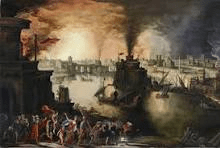
Aeneas,
Fleeing.
Troy,
Burning.
sending,
seismic waves that
reverberate,
Endlessly.
Forever repeating cycles of violence,
We never learn.
Maybe,
in another few thousand years.
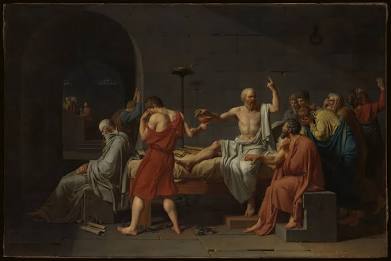
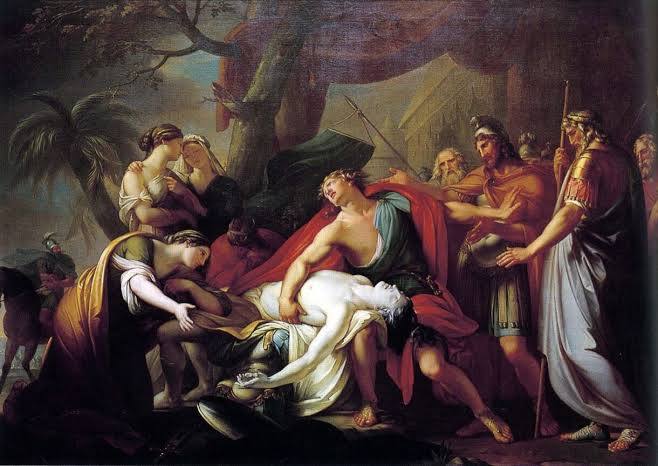
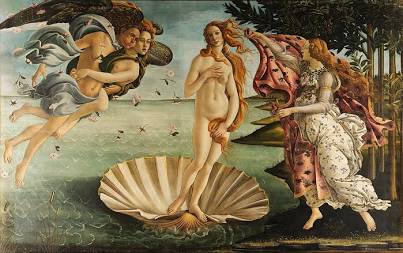
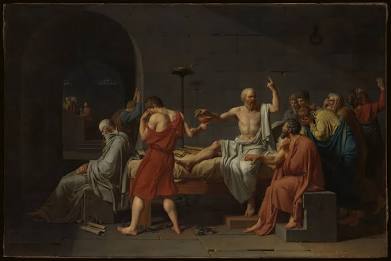
To see Enlightenment-era Greek myth paintings and analysis, visit the Metropolitan Museum of Art for Jacques-Louis David’s The Death of Socrates and the National Museum of Fine Arts in Stockholm for Boucher’s The Triumph of Venus, and explore works by artists like François Boucher and Jacques-Louis David.
Analysis often links the Enlightenment’s emphasis on reason and morality to depictions of Greek myths, examining how artists like Boucher used Rococo style to reflect aristocratic tastes, while others, such as David, sought more moralistic and naturalistic approaches.
Examples of Enlightenment Greek Myth Paintings
- François Boucher, The Triumph of Venus, 1740: This painting exemplifies the Rococo style, which was popular during the early Enlightenment and often featured mythological subjects with a frivolous and erotic tone, according to this Open University article.
- Jacques-Louis David, The Death of Socrates, 1787: A Neoclassical work from the late Enlightenment, this painting depicts the death of the philosopher Socrates and was created shortly before the French Revolution, as noted by this Metropolitan Museum of Art article.
Where to See These Paintings
- The Metropolitan Museum of Art: This museum in New York is home to Jacques-Louis David’s The Death of Socrates.
- National Museum of Fine Arts, Stockholm: François Boucher’s The Triumph of Venus is displayed here.
Analysis and Themes
- The Rococo Style: In the mid-18th century, the Rococo style, exemplified by Boucher’s mythological scenes, was closely associated with aristocratic decadence and led to a later call for more natural and moralistic art, as seen in the transition towards Neoclassicism.
- The Shift Towards Morality: As the Enlightenment progressed, a desire for art that was more grounded in reason and naturalism grew. David’s The Death of Socrates, with its classical subject and restrained style, represents this move toward a more moral and exemplary approach to art.
- The Frankfurt School: Thinkers like Horkheimer and Adorno explored the connection between Greek mythology and Enlightenment through their work, such as the Dialectic of Enlightenment, analyzing the history of the Enlightenment itself through a mythological lens.
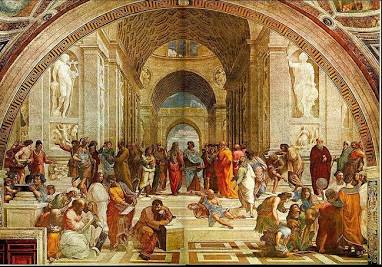
How Fascists Misappropriate Classical Antiquity: Analysis and Action
Fascist movements have systematically appropriated symbols, narratives, and concepts from ancient Greece and Rome to legitimize authoritarian ideologies. This analysis examines these historical distortions, draws parallels to contemporary movements, and provides actionable resources for countering extremist narratives while promoting ethical scholarship and heritage preservation.
Historical Misappropriation: Greece and Rome
Selective Mythologising
Fascist regimes, particularly Nazi Germany and Mussolini’s Italy, cherry-picked aspects of classical antiquity that supported their narratives while ignoring contradictory evidence. They romanticized concepts like:
- Spartan militarism – Presenting Sparta as an ideal warrior society while ignoring its reliance on enslaved helots
- Roman imperialism – Glorifying conquest while overlooking the cosmopolitan, multicultural nature of the Roman Empire
- Aryan superiority myths – Falsely claiming ancient Greeks as racially “pure” Nordic peoples
- Architectural symbolism – Appropriating neoclassical design to project authority and permanence
Distorted Scholarship
Fascist academics deliberately misinterpreted archaeological evidence and literary sources to support predetermined ideological conclusions. They promoted pseudoscientific racial theories while suppressing genuine scholarly debate.
Treatment of Women in Antiquity vs. Fascist Ideology
Ancient Realities
- Greek women’s rights varied significantly by city-state and historical period
- Roman women, especially in the late Republic and Empire, enjoyed considerable legal and economic freedoms
- Female religious leaders, businesswomen, and intellectuals were documented throughout antiquity
- Matriarchal and goddess-centered religious practices were widespread
Fascist Distortions
- Selectively emphasized male warrior culture while erasing evidence of women’s agency
- Promoted rigid gender hierarchies that were anachronistic even by ancient standards
- Used classical imagery to justify restricting women to domestic roles
- Ignored powerful female figures like Cleopatra, Livia, and female philosophers
Treatment of Minorities: Then and Now
Classical Diversity
- Ancient Mediterranean societies were ethnically and culturally diverse
- Roman citizenship was eventually extended to all free inhabitants of the empire
- Successful integration of multiple ethnic groups, languages, and religious traditions
- Evidence of Black Africans, Middle Easterners, and others in prominent positions
Fascist Revisionism
- Fabricated racially homogeneous “master race” narratives
- Minimized evidence of ethnic diversity in archaeological records
- Promoted false theories about racial purity in ancient societies
- Used selective imagery to support white supremacist ideologies
Modern Parallels
Contemporary extremist groups continue these patterns by:
- Appropriating Viking, Roman, and Greek symbols for white nationalist movements
- Spreading “replacement theory” narratives that echo fascist propaganda
- Misusing genetic studies to support racial superiority claims
- Creating online spaces that blend historical mythology with hate speech
City-States and Modern Individualism
Ancient Political Models
- Greek city-states represented diverse forms of governance (democracy, oligarchy, tyranny)
- Roman Republic balanced individual rights with collective responsibility
- Complex citizenship concepts that evolved over centuries
- Emphasis on civic duty and public service
Fascist Exploitation
- Romanticized authoritarian city-states while ignoring democratic innovations
- Promoted cult of personality leadership models
- Suppressed discussion of republican institutions and checks on power
- Used classical imagery to legitimize modern dictatorships
Contemporary Relevance
Modern authoritarians employ similar tactics:
- Invoking “strongman” leaders from antiquity
- Promoting ultra-nationalism disguised as patriotism
- Attacking democratic institutions while claiming classical precedent
- Using historical imagery to normalize authoritarian governance
Pompeii, Herculaneum, and Ethical Heritage Management
The Archaeological Record
The preserved remains at Pompeii and Herculaneum provide unique insights into daily life in the Roman world, including evidence of social diversity, economic complexity, and cultural exchange that contradicts fascist narratives.
Ethical Considerations for Human Remains
Museums worldwide are grappling with the moral and ethical arguments surrounding human remains in their collections, recognizing an overriding ethical obligation to treat human remains with dignity and respect. Key principles include:
- Informed consent and community consultation
- Respectful display and storage practices
- Repatriation when appropriate
- Educational context that honors the deceased
- Transparent provenance documentation
Modern Museum Ethics
Human remains collections must be acquired and handled with respect regardless of their age and legitimacy of provenance, requiring expertise from disciplines beyond traditional museum curation. This includes:
- Bioethical perspectives on display decisions
- Community engagement in interpretation
- Acknowledgment of colonial collection practices
- Ongoing dialogue about appropriate research methods
Call to Action: Countering Extremist Narratives
Educational Initiatives
- Support accurate, evidence-based teaching of classical history
- Challenge pseudoscientific racial theories with genuine scholarship
- Promote diverse voices in classical studies
- Fund public education programs that counter extremist mythology
Digital Resistance
- Monitor and counter extremist use of classical imagery online
- Create accessible content that accurately represents ancient diversity
- Support fact-checking initiatives focused on historical claims
- Develop educational resources for teachers and parents
Academic Engagement
- Encourage interdisciplinary collaboration between classicists, anthropologists, and social justice advocates
- Support research that highlights marginalized voices in antiquity
- Promote open access to scholarly resources
- Challenge academic institutions to address their historical complicity in nationalist narratives
Organizations and Resources
Anti-Extremism Organizations
- Southern Poverty Law Center – Monitoring hate groups and extremist movements
- www.splcenter.org
- Donation link: www.splcenter.org/donate
- Anti-Defamation League – Combating antisemitism and extremism
- www.adl.org
- Donation link: www.adl.org/donate
- Hope Not Hate – UK-based anti-fascism organization
- www.hopenothate.org.uk
- Donation link: www.hopenothate.org.uk/donate
Museums and Cultural Institutions
Museums Association (UK)
- Website: museumsassociation.org
- Ethics Resources: The Museums Association provides guidance on ethical issues including perspectives on human remains
- Professional Standards: Codes of conduct for museum professionals
Birmingham Museums Trust
- Website: birminghammuseums.org.uk
- Venues: Nine venues providing insight into Birmingham’s history and world-class collections
- Current Exhibitions: Recently reopened history galleries with doubled exhibition space
Academic Resources
- Society for Classical Studies – Professional organization promoting accurate scholarship
- International Association of Classical Archaeology – Supporting ethical archaeological practice
- Digital Classicist – Open access resources for classical studies
Immediate Actions You Can Take
Donate
- Support organizations fighting extremism and promoting accurate historical education
- Fund archaeological projects that prioritize ethical practices and community engagement
- Contribute to museums committed to inclusive interpretation and respectful handling of human remains
Advocate
- Contact educational institutions about curriculum that accurately represents classical diversity
- Support political candidates who oppose extremist appropriation of cultural symbols
- Engage with local museums about their interpretation of ancient history
Educate
- Share accurate information about ancient diversity and complexity
- Challenge extremist historical claims in your communities
- Support teachers and educators with resources for countering myths
- Promote media literacy to help others identify propaganda techniques
Monitor
- Report extremist use of classical symbols to appropriate organizations
- Stay informed about emerging extremist narratives and mythologies
- Support journalism that investigates links between classical appropriation and modern extremism
Conclusion
The fascist appropriation of classical antiquity represents a deliberate distortion of historical evidence to serve authoritarian ends. By understanding these patterns and supporting ethical scholarship, museum practices, and anti-extremism efforts, we can counter dangerous mythologies while honoring the true complexity and diversity of our shared human heritage.
The stakes are high: allowing extremists to monopolize our cultural symbols and historical narratives undermines both scholarly integrity and democratic values. Through coordinated action, education, and advocacy, we can reclaim accurate historical understanding and prevent the weaponization of our past against our future.
Please note: This analysis draws on current scholarship, museum ethics guidelines, and anti-extremism research. For the most up-to-date information on exhibitions and initiatives, please visit the linked institutional websites directly.
Homer’s Iliad and Odyssey focus on heroism, fate, and the search for home and meaning, while Virgil’s Aeneid is a political and nationalistic epic commissioned to legitimize the Roman Empire under Augustus. Key differences include Homer’s emphasis on the individual and entertainment versus Virgil’s focus on duty, fate, and the collective destiny of Rome. Stylistically, Homer’s work is characterized by fluidity and entertainment, while Virgil adopts a more rigid, artistic style to convey a sense of order and ideal beauty, despite borrowing significantly from Homer’s plots and characters.
Key Differences
- Purpose and Context:
- Homer: Intended primarily for entertainment and to explore themes of human experience, heroism, and fate.
- Virgil: A political commission from Augustus to promote the greatness of Rome and affirm its divinely ordained destiny.
- Themes:
- Heroic Archetype:
- Style and Tone:
- Homer: Known for a more fluid and less rigid style, reflecting a focus on narrative and natural expression.
- Virgil: Employs a highly artistic, even rigid, style that conveys perfection and aesthetic beauty, often seen in his detailed descriptions and allusions.
Points of Influence and Adaptation
- Structural Imitation:Virgil models The Aeneid after Homer’s Odyssey, including a journey home and a visit to the underworld, to build upon and rival the older epics.
- Allusion and Allusive Texture:The Aeneid is rich with direct and indirect allusions to Homeric works, incorporating stock phrases, epithets, and epic similes, but reimagining them within a Roman context.
- Reimagining Characters and Events:Virgil adapts Homeric elements, such as the Trojan War and its aftermath, but recasts them to serve his new narrative of Roman foundation and destiny.
Key Takeaway
While Virgil looked up to Homer and used his works as a model, he fundamentally transformed them into something new. Homer’s epics were products of oral tradition and focused on individual heroism and experience, whereas Virgil created a structured, commissioned epic of imperial propaganda, using Homer’s stories as a foundation to craft a monumental narrative for the new Roman Empire.
A hop over to Greece, and Greek Tragedy, specifically Aeschylus…
The first. the oldest. the trendsetter. the role model,
killed by a tortoise.
RIP.
Aeschylus was a warrior-playwright from ancient Greece who introduced theatrical innovations like a second actor and wrote the only surviving trilogy of tragedies, the Oresteia. He fought in the <Battle of Marathon and had a mysterious death involving an eagle and a tortoise. Despite writing around 90 plays, only seven are preserved today, and his fame led him to be called the “Father of Tragedy”.
Key Facts
- Warrior and Playwright:Aeschylus was a soldier who fought in the Persian Wars, most notably at the Battle of Marathon. His personal experiences, including his brother’s death at Marathon, likely influenced his work.
- Father of Tragedy:He is considered the first great Greek tragedian and is credited with inventing and developing tragic drama.
- Theatrical Innovations:Aeschylus transformed Greek theater by introducing a second actor, which allowed for dialogue and conflict between characters instead of relying solely on a chorus. He also introduced the concept of the trilogy, a series of three connected tragedies, and developed dramatic stage effects, costumes, and masks.
- Prolific but Incomplete Legacy:Aeschylus wrote between 70 and 90 plays, but only seven of his plays survive today.
- Survived the Mysteries:He was once accused of impiety for revealing the Eleusinian Mysteries in one of his plays and narrowly escaped an angry crowd by taking refuge at an altar.
- Mysterious Death:According to one legend, he died when an eagle, mistaking his bald head for a rock, dropped a tortoise to crack its shell.
- Epitaph:His epitaph did not mention his plays but focused on his military valor at Marathon, a testament to his pride in his warrior status.

Leave a comment