‘I wanted happy endings in those days, and happy endings are best achieved by keelingvthe right doors locked and going to sleep during the rampages.’
Centres the voice of penelope, Odysseus’ wife in a retelling of Homer’s ‘Odyssey.’
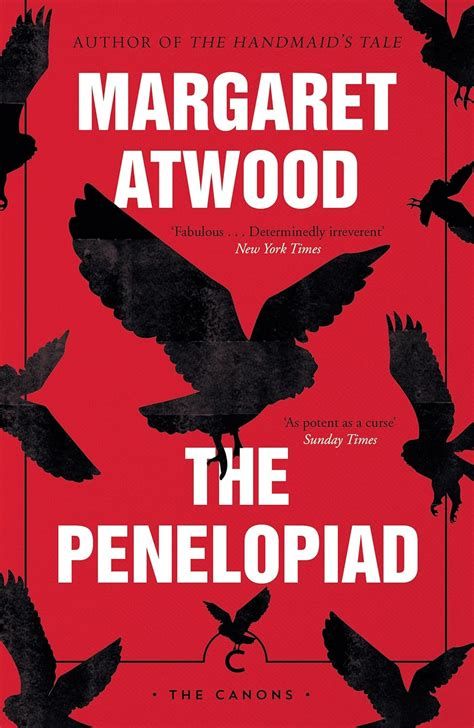
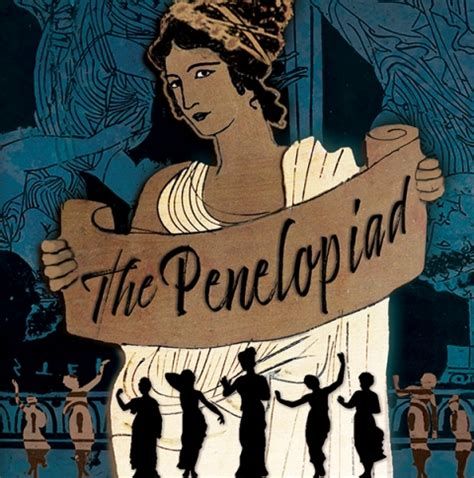
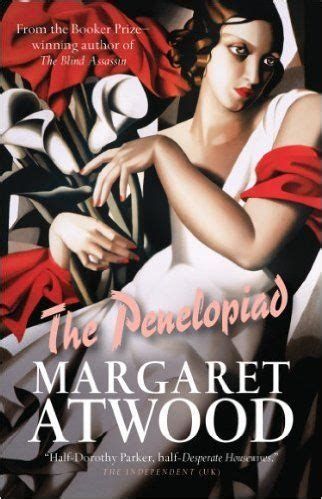
Summary of Margaret Atwood’s ‘The Penelopiad’
‘The Penelopiad’ (2005) is Margaret Atwood’s feminist retelling of Homer’s ‘Odyssey’ from the perspective of Penelope, Odysseus’s wife, and her twelve hanged maids. The story is told in retrospect, with Penelope and the Maids in the afterlife reflecting on the events that occurred centuries before. [litcharts] (https://www.litcharts.com/lit/the-penelopiad/summary) .
The novella begins with Penelope in the afterlife, deciding to tell her side of the famous story after millennia of silence. She recounts her life chronologically: her birth in Sparta to King Icarius and a water nymph mother, her marriage to Odysseus (who won her hand by cheating in a footrace), and her lonely years in Ithaca during the Trojan War.
When suitors arrive seeking to marry the presumably widowed Penelope, she devises the famous trick of weaving and unweaving Laertes’ shroud each night to delay choosing a husband. Penelope told the Maids to spend time with the Suitors and gain their confidence by sleeping with them and saying bad things about Odysseus and his family. [litcharts] (https://www.litcharts.com/lit/the-penelopiad/summary)
as part of an espionage operation.
Upon Odysseus’s return disguised as a beggar, Penelope recognizes him but pretends not to. After he wins the archery contest and slaughters the suitors, Odysseus asked Eurycleia to point out the Maids who had been unfaithful to him. Eurycleia pointed to the Twelve Maids who had been spying for Penelope, and Telemachus hung them [litcharts] (https://www.litcharts.com/lit/the-penelopiad/summary) .
The maids were executed for their apparent disloyalty, though they were actually following Penelope’s orders.
Key Themes
Storytelling and Perspective
The novella’s central themes include the effects of story-telling perspectives [Wikipedia](https://en.wikipedia.org/wiki/The_Penelopiad) . Atwood challenges the male-dominated narrative of the *Odyssey* by giving voice to the women who were marginalized or silenced in the original. Penelope questions the “official” version of events and reveals the gaps and biases in heroic tales.
Class and Gender Inequality
The contrast between Penelope’s royal status and the maids’ servile positions highlights how double standards between the sexes and the classes [Wikipedia](https://en.wikipedia.org/wiki/The_Penelopiad) operate. The maids, born to “slave and peasant parents,” have no agency over their bodies or lives, while Penelope, despite her constraints as a woman, enjoys privileges due to her noble birth.
Justice and Injustice
The fairness of justice [Wikipedia](https://en.wikipedia.org/wiki/The_Penelopiad) is central to the work. The maids’ execution represents the ultimate injustice – they were killed for following orders, victims of both their class status and the men’s need for scapegoats. In the afterlife, they seek justice through haunting Odysseus and staging mock trials.
References to Source Material
Atwood draws heavily from Homer’s ‘Odyssey’ while subverting its heroic narrative. She takes the brief mention of the twelve hanged maids in Book 22 of the ‘Odyssey’ and makes their story central to her retelling. Where Homer presents Odysseus as the noble hero returning home, Atwood portrays him as manipulative, unfaithful, and ultimately responsible for the unjust deaths of innocent women.
The novella maintains the basic structure of the ‘Odyssey’ – the Trojan War, Odysseus’s long journey home, the suitors’ siege of his household, and his eventual return and vengeance. However, Atwood reframes these events to highlight the women’s experiences and the violence they endured. The famous weaving/unweaving trick becomes not just Penelope’s cleverness but part of a larger intelligence operation involving the maids as unwilling spies.
Through this feminist lens, Atwood transforms a classic tale of heroic return into a critique of power, gender, and the way history is written by the victors, giving voice to those who were silenced in the original epic.
Citations:
– [The Penelopiad by Margaret Atwood Plot Summary | LitCharts](https://www.litcharts.com/lit/the-penelopiad/summary)
– [The Penelopiad – Wikipedia](https://en.wikipedia.org/wiki/The_Penelopiad)
More sources:
– [The Penelopiad Summary | GradeSaver](https://www.gradesaver.com/the-penelopiad/study-guide/summary)
– [The Penelopiad Chapter Summaries | Course Hero](https://www.coursehero.com/lit/The-Penelopiad/summaries/)
– [The Penelopiad Study Guide – Margaret Atwood](https://www.litcharts.com/lit/the-penelopiad)
– [The Penelopiad (Canongate Myths) by Margaret Eleanor …](https://www.worldhistory.org/review/253/the-penelopiad-canongate-myths/)
– [The Penelopiad | CBC Books](https://www.cbc.ca/books/the-penelopiad-1.4005595)
– [The Penelopiad: The Myth of Penelope and Odysseus | novel by Atwood | Britannica](https://www.britannica.com/topic/The-Penelopiad-The-Myth-of-Penelope-and-Odysseus)
– [The Penelopiad: Full Book Summary | SparkNotes](https://www.sparknotes.com/lit/penelopiad/summary/)
– [Review: The Penelopiad by Margaret Atwood — Kell-Read](https://www.kellread.com/blog-avenue/review-the-penelopiad-by-margaret-atwood)

Leave a comment